
Quick Summary: Mumbai leads India’s richest cities by GDP thanks to its finance, trade, and port dominance, but its high land costs and congestion make ownership expensive. Delhi NCR follows as a sprawling hub for government, tech, and corporate jobs, though its real estate varies wildly by micro-market-like Gurugram’s luxury demand or Dwarka’s infrastructure risks. City GDP rankings are unreliable for property decisions; buyers should focus on job proximity, commute reliability, and local risks like flooding or water shortages, not just overall economic size. For example, Bengaluru’s tech-driven demand hides water-stress and traffic challenges, while Surat’s diamond trade boom can swing with global market shifts.
Mumbai and Delhi NCR often sit close in rankings of the richest cities in India by GDP, but their engines differ. Mumbai relies on finance, ports and trade. Delhi NCR spans government, corporate services, technology, manufacturing and property across a far wider region.
Lists of the top 10 richest cities in India can mislead. The GDP of Indian cities may mix municipal limits, metro areas, state data and private forecasts. High city GDP in India also does not ensure better civic services, livability or a sound home purchase.
This guide compares the top 10 richest cities in India using current, widely cited nominal GDP estimates. It reviews industries, jobs, links, housing demand and risks across these Indian economic hubs. It also explains how to read city GDP in India without mistaking it for personal wealth or property value.
For wider context, see our guide to Indian cities and livability. The ranking treats the largest city economies in India as estimates, not fixed facts, and assesses what real estate in India’s richest cities means for buyers.
Top 10 Indian City Economies at a Glance
| City | Best for | Primary economic engines | Infrastructure and connectivity | Real estate implication |
|---|---|---|---|---|
| Mumbai | Finance, capital markets, corporate leadership and media | Financial services, trade, ports, professional services and entertainment | Suburban rail, metro expansion, highways, ports and regional transit projects | High land scarcity and premium demand, with affordability and density constraints |
| Delhi NCR | Corporate services, government, technology, founders and regional business access | Public administration, IT, finance, consulting, real estate, trade and manufacturing | Delhi Metro, airport, expressways, RRTS, arterial roads and NCR regional links | Strong premium demand, but outcomes vary sharply by NCR city and micro-market |
| Kolkata | Eastern India trade, services, education and established industry | Logistics, port activity, manufacturing, finance, education and healthcare | Port, airport, metro expansion, rail links and regional road connectivity | Relatively accessible premium housing, with careful micro-market selection required |
| Bengaluru | Technology, startups, research, engineering and global capability centres | IT services, software, startups, aerospace, electronics and biotechnology | Metro expansion, airport corridor, ring roads and large office clusters | Strong employment-linked demand, with water and traffic risk priced into location choices |
| Chennai | Automotive, manufacturing, exports, IT, healthcare and engineering | Automobiles, components, electronics, IT services, ports and healthcare | Port, airport, metro, industrial corridors and regional highways | Employment-linked demand across industrial, office, education and healthcare corridors |
| Hyderabad | Technology, pharmaceuticals, biotechnology and life sciences | IT, pharma, biotech, healthcare, aerospace and research | Airport, metro, ring roads, office corridors and planned expansion areas | Strong corridor-led demand, with supply quality and infrastructure timing requiring scrutiny |
| Pune | Engineering, automobiles, IT, education and research | Manufacturing, automotive, IT, education and defence-linked activity | Metro, highways, airport improvements and Mumbai regional connections | Balanced end-user and rental demand near employment and education clusters |
| Ahmedabad | Manufacturing, trade, chemicals, textiles and entrepreneurship | Industry, pharmaceuticals, chemicals, textiles, engineering and MSMEs | Metro, airport, highways and links to Gujarat’s industrial network | Industrial and business-led demand with comparatively measured entry pricing |
| Surat | Diamonds, textiles, chemicals, trade and SME-led business | Diamond processing, textiles, chemicals, exports and manufacturing | Airport, roads, urban transit and industrial networks | Business-led housing demand with sector and flood-risk sensitivity |
| Visakhapatnam | Ports, steel, petroleum, logistics and coastal industry | Heavy industry, port trade, shipping, petroleum and services | Port, rail, airport, highways and industrial transport links | Industrial and regional demand balanced against coastal and environmental risk |
What to know about city GDP in India
The richest cities in India by GDP show where jobs, firms, capital and demand are most concentrated. They help explain why some urban markets draw more talent, new infrastructure and high-value housing.
India does not publish one fully comparable GDP figure for every city or metro area. Estimates use district income, state output, jobs, industry activity, services data and different city boundaries. That is why figures for the wealthiest cities in India can vary by source.
Use this list as a guide to economic scale, not a final investment verdict. Buyers should also assess per-capita income, infrastructure, governance, pollution, housing supply and the quality of the specific property.
1. Mumbai
Mumbai is the richest city in India by GDP in most projection-led rankings. Its strength comes from finance, trade, media, corporate offices, and the wider Mumbai Metropolitan Region.

Highlights
- Banking, insurance, stock exchanges, professional services, media, and port-linked trade form its core.
- The Mumbai Port Authority remains central to the city’s trade role, while Navi Mumbai adds logistics and warehousing capacity.
- Metro, rail, highways, and regional projects aim to improve movement across the MMR. The MMRDA metro plan covers a proposed 337.1 km network.
Specs
- Best for: Finance, capital markets, corporate leadership, and media
- Real estate implication: Acute land scarcity supports premium demand, but homes are often smaller and ownership costs high.
Pros
- Deep employment base and established resale demand
- Strong national and global business links
Cons
- High entry prices, congestion, density, and flood exposure
Mumbai ranks first for its concentration of high-value work, capital, and investor attention.
Last updated: August 31, 2026
Also Read: 7 Gurgaon Micro-Locations for Luxury Independent Builder Floors
2. Delhi NCR
Delhi NCR is a connected economy, not one city. Delhi anchors public services and trade, while Gurugram and Noida add corporate, technology, finance and industrial depth.

Highlights
- Delhi supports government, education, healthcare, tourism, trade and professional services.
- Gurugram drives offices, finance, technology, hospitality and premium housing, while Noida adds electronics, manufacturing and media.
- Metro, airport and expressway links knit the region together. The approved Gurugram-Cyber City Metro corridor includes a Dwarka Expressway spur.
Specs
- Best for: Corporate services, founders, government access and technology.
- Economic engines: Public administration, IT, finance, consulting, trade, real estate and manufacturing.
- Property lens: Compare the exact sector, title, approvals, water and power resilience, not just the NCR label.
Pros
- Diverse employment base and broad housing choice.
- Strong regional links, including the proposed Gurugram-Faridabad-Noida RRTS corridor.
Cons
- Commutes, air quality and civic services vary sharply.
- Land-use and approval rules differ by jurisdiction.
It ranks second in common metro GDP projections, but Golf Course Road, Sector 57, Nirvana Country and Dwarka Expressway are distinct ownership markets.
Last updated: August 31, 2026
3. Kolkata
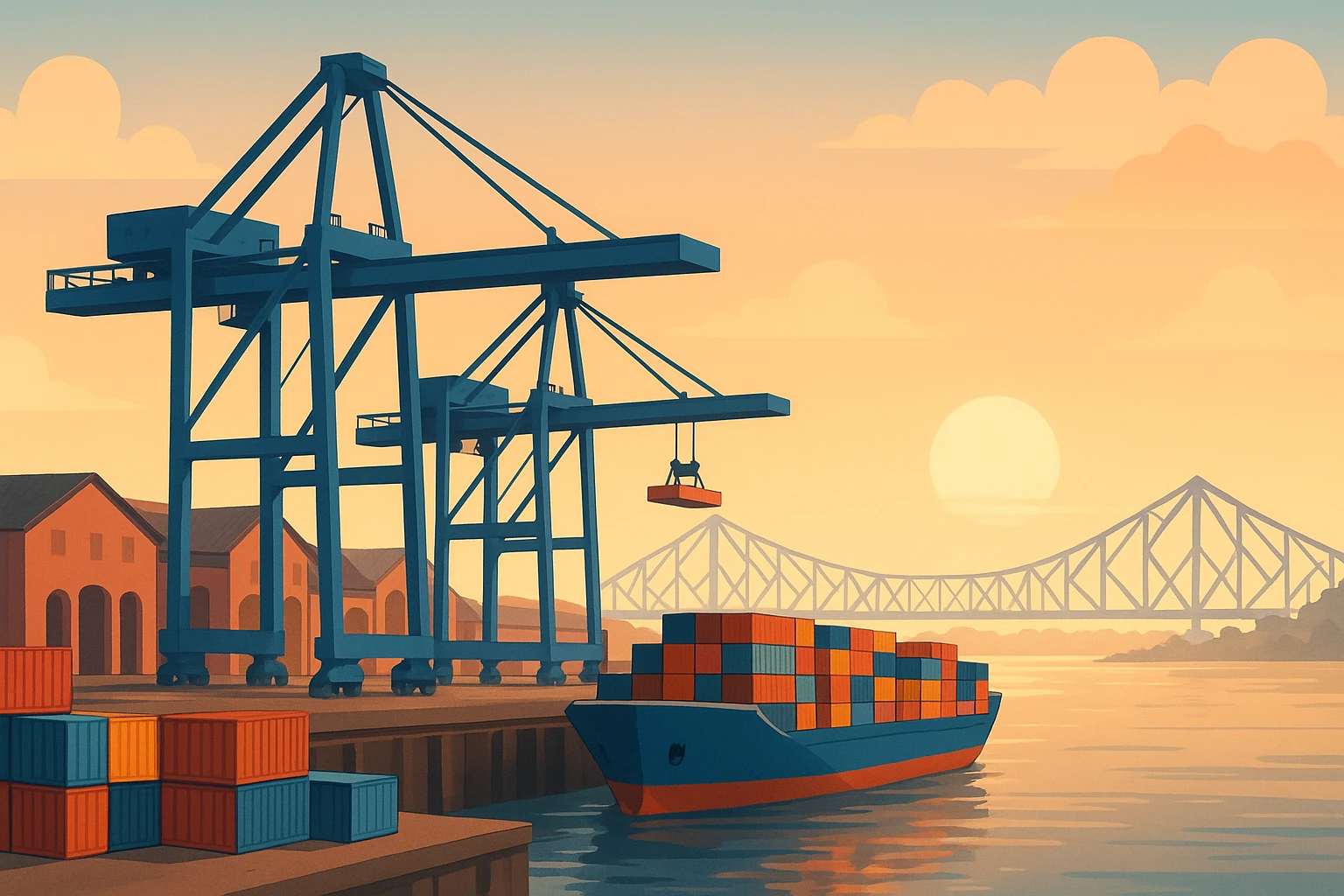
Kolkata is Eastern India’s established trade, logistics, industrial and services centre. Its gateway role supports port-linked commerce across eastern and northeastern markets.
Highlights
- Port, rail and road links support distribution, engineering, manufacturing, finance, education and healthcare. West Bengal’s logistics profile notes the region’s strong warehousing and inland-waterway base.
- Metro and river transport plans may strengthen selected corridors. The proposed water metro includes new jetties, according to The Hindu’s report.
Specs
- Best for: Eastern India trade, services, education and established industry
- Real estate implication: Accessible premium housing, but select micro-markets near jobs and transit.
Pros
- Broad cultural, healthcare and education ecosystem
- Moderate entry pricing in several submarkets
Cons
- Uneven civic services and flooding risk in some areas
- Narrower high-income job base than major technology hubs
Kolkata ranks high in projection-led Kolkata GDP lists, but this does not directly measure household wealth or property returns.
Last updated: August 31, 2026
4. Bengaluru
Bengaluru is India’s technology, startup, research and global capability centre powerhouse. Software, engineering, aerospace, electronics and biotechnology drive its deep job base.

Highlights
- IT services, AI, startups and research anchor the city economy. Karnataka’s GCC policy cites over 500 GCCs in the state.
- Office-led rental demand is strongest near established employment corridors.
- Metro growth, airport links and ring roads matter, but commute reliability still varies.
Specs
- Best for: Technology, startups, research, engineering and global capability centres
- Real estate outlook: Strong employment-linked demand, with water and traffic risk priced into location choices
Pros
- Deep skilled-talent pool and broad housing formats
- Strong tenant demand near large office clusters
Cons
- Unpredictable commutes, water stress and drainage risk in selected areas
Bengaluru ranks fourth in frequently cited projections, though city GDP estimates vary by boundary and method; buyers should inspect water, road access, flood exposure and maintenance closely.
Last updated: August 31, 2026
Also Read: Gurgaon Luxury Homes Reach Record Prices Despite Infrastructure Concerns
5. Chennai
Chennai is a manufacturing, automobile, port, healthcare and technology economy with export depth. Its industrial reach extends far beyond one business district, linking factories, offices, universities and hospitals.

Highlights
- Automobiles, components, engineering and electronics anchor the Chennai manufacturing hub.
- IT services, healthcare, education, logistics and port-linked exports widen the employment base.
- Port, airport, Metro and industrial-corridor upgrades shape submarket demand.
Specs
- Best for: Automotive, manufacturing, exports, IT, healthcare and engineering.
- Real estate implication: Track job nodes, flood history, drainage, coastal exposure and commute routes before buying.
Pros
- Diverse industrial and services base.
- Strong engineering and export links.
Cons
- Flood and drainage risk varies sharply by locality.
- Long commutes can reduce daily livability.
Chennai GDP estimates shift with the boundary used, but its manufacturing-services mix supports its place among top Indian city economies.
Last updated: August 31, 2026
6. Hyderabad
Hyderabad is a fast-growing technology, pharmaceutical, biotechnology and life-sciences hub. Its economy spans software, healthcare, aerospace, research and data services.

Highlights
- HITEC City and western office corridors drive IT, global capability centre and housing demand.
- Genome Valley supports research, biotech and pharma employment.
Specs
- Best for: Technology, pharmaceuticals, biotechnology and life sciences
- Infrastructure: Airport, metro, ring roads and planned expansion areas
- Property outlook: Strong corridor-led demand, but scrutinise supply quality and infrastructure timing.
Pros
- Diverse skilled-job base and room for planned growth.
- Genome Valley expansion reinforces the institutional ecosystem.
Cons
- Peripheral projects may rely on future links.
- Water, heat and climate resilience need due diligence.
Hyderabad ranks sixth in common projection-led GDP lists, but its value lies in separating established work corridors from speculative peripheral supply.
Last updated: August 31, 2026
Also Read: Blog
7. Pune
Pune is a skilled, diverse economy shaped by education, engineering, automobiles and IT. Its links with Mumbai add depth, while its own job base supports a broad housing market.

Highlights
- Automobile, engineering, manufacturing, research, IT services and defence-linked activity support professional employment.
- Pune Metro’s operational network connects PCMC-Swargate and Vanaz-Ramwadi, shaping housing demand near work and transit nodes. See the official route map
- Education clusters also support student and corporate rental demand.
Specs
- Best for: Engineering, automobiles, IT, education and research
- Real estate implication: Balanced end-user and rental demand near employment and education clusters
Pros
- Skilled workforce and broad employment base
- Strong industrial and education ecosystem
Cons
- Traffic, drainage issues and weak peripheral links need scrutiny
Pune ranks seventh in widely circulated Pune GDP projections, but buyers should assess commute, water, title and build quality before assuming city growth reaches every project.
Last updated: August 31, 2026
8. Ahmedabad
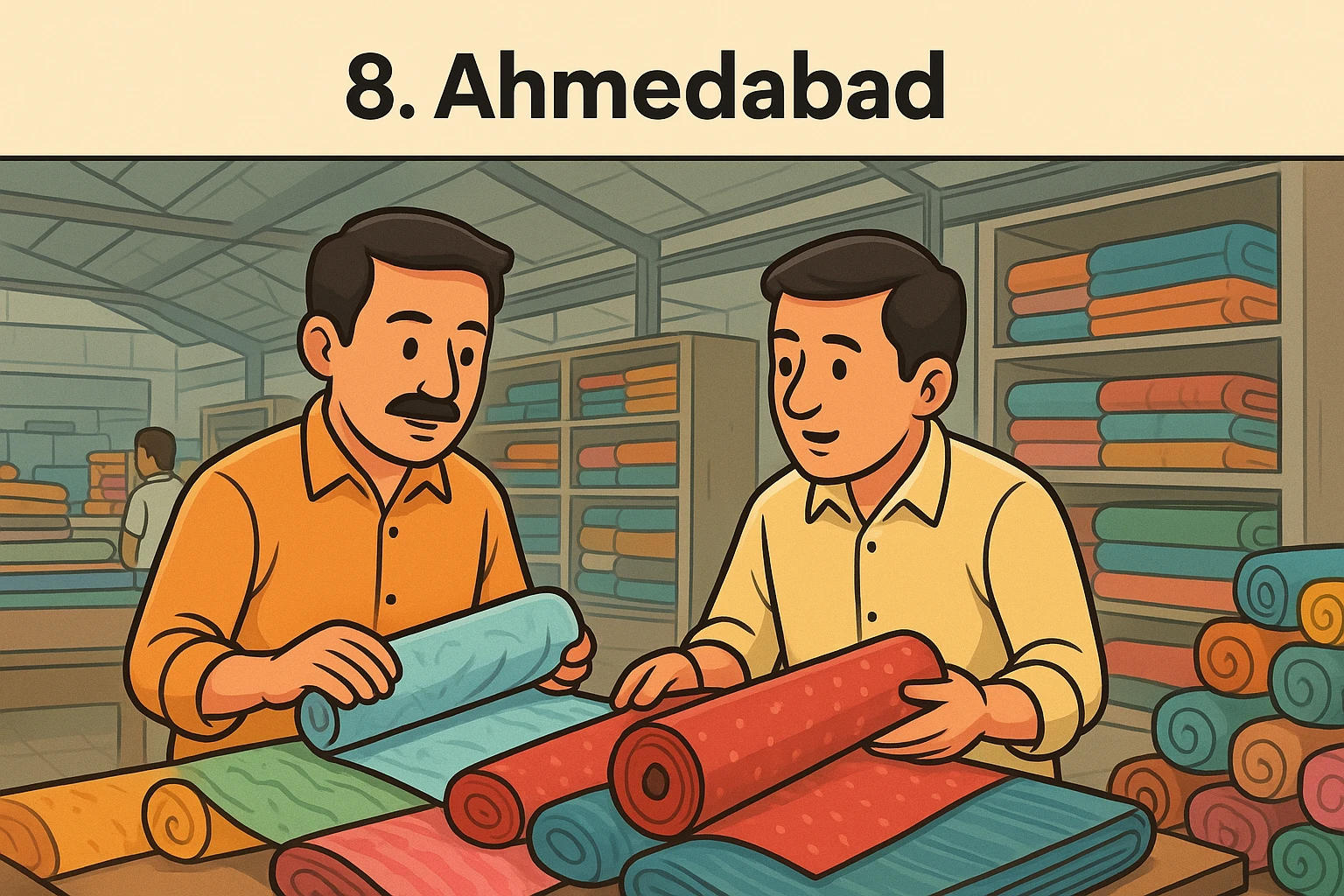
Ahmedabad is a manufacturing and entrepreneurial centre with deep trade, chemicals and textile roots. Its Ahmedabad GDP strength comes from industry, MSMEs and links across Gujarat’s wider industrial network.
Highlights
- Textiles, chemicals, pharmaceuticals, engineering and manufacturing shape the Ahmedabad industrial hub.
- Metro routes connect key city corridors, with official journey planning supporting daily access.
- Trade networks, education and services add depth beyond factory employment.
Specs
- Best for: Manufacturing, trade, chemicals, textiles and entrepreneurship
- Infrastructure: Metro, airport, highways and Gujarat industrial links
- Ahmedabad real estate: Measured entry pricing, but premium liquidity varies by micro-market
Pros
- Diverse SME base and regional business connectivity
- Potentially lower housing costs than larger metros
Cons
- Export-linked sectors can be cyclical
- Heat and water planning need close review
Ahmedabad ranks eighth among the wealthiest cities in India because industrial depth matters more than service-sector visibility.
Last updated: August 31, 2026
9. Surat
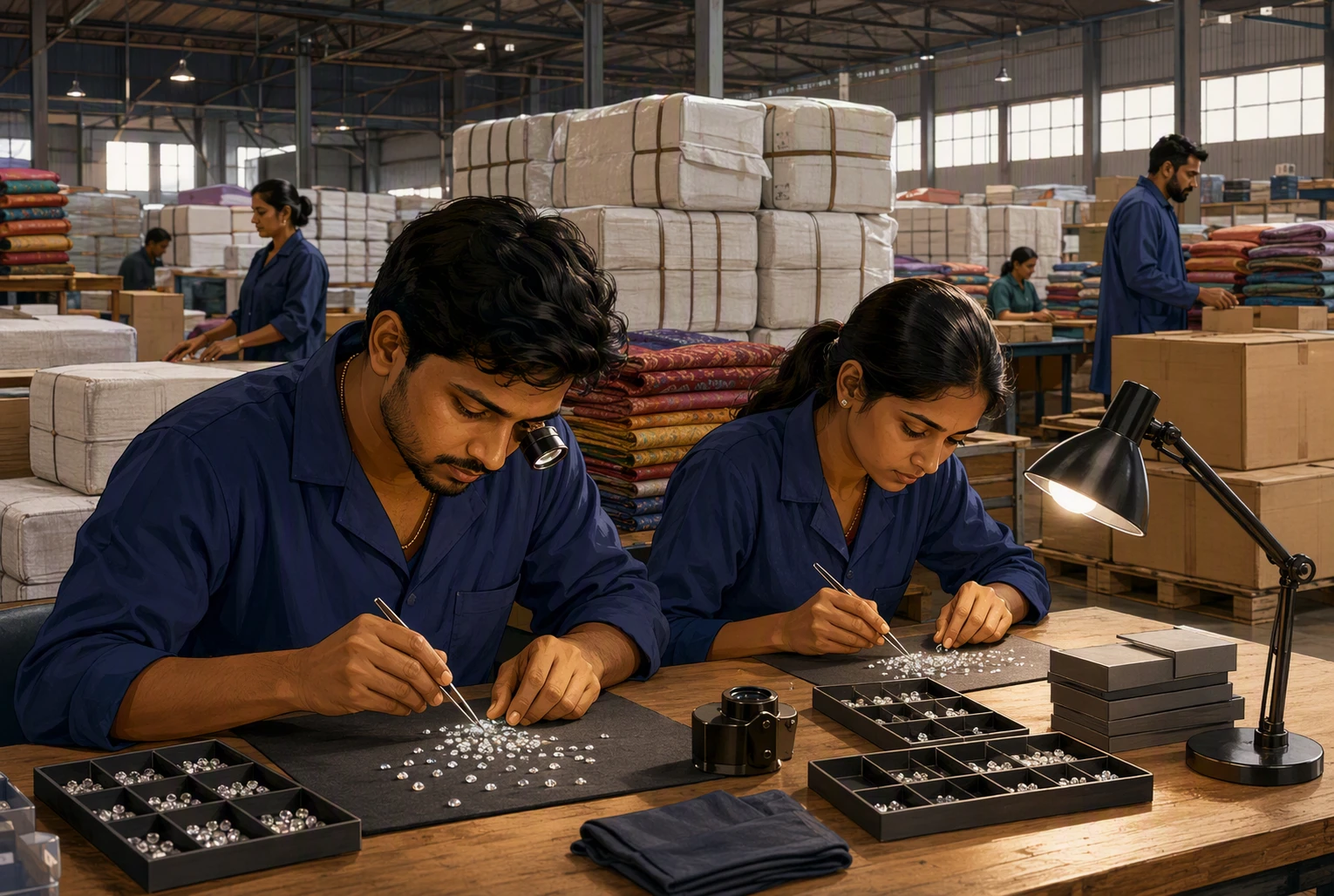
Surat is an export-led economic hub built on diamonds, textiles, chemicals, and SMEs. Its output rises and falls with global trade demand, so Surat GDP estimates need cautious reading.
Highlights
- Diamond processing, jewellery trade, textile manufacturing, synthetic fabrics, chemicals, and exports drive local jobs. The NITI Aayog Surat region plan maps these core growth engines.
- Surat Airport’s international status supports easier business travel for diamond and textile trade, as industry groups noted.
Specs
- Best for: Diamonds, textiles, chemicals, trade, and SME-led business
- Real estate implication: Business-led demand, with flood resilience and local resale depth critical
Pros
- Strong specialist export economy
- Dense entrepreneurial network
Cons
- Sensitive to trade and sector cycles
- Flood and drainage risk varies by location
Surat ranks ninth because its specialised export base creates major output, but buyers should test employment strength, access, drainage, and liquidity street by street.
Last updated: August 31, 2026
10. Visakhapatnam
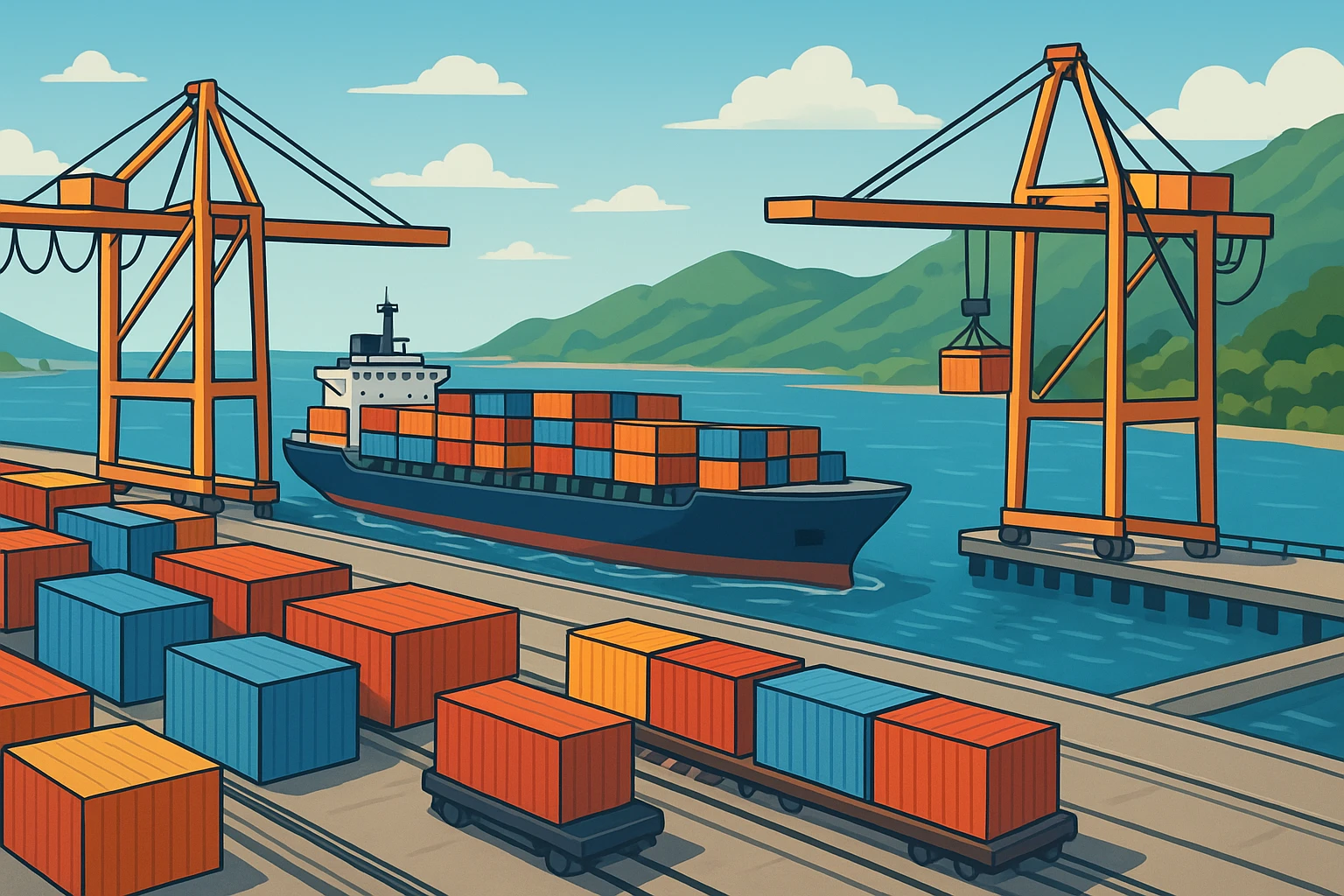
Visakhapatnam is a coastal industrial and port economy built on steel, petroleum, shipping and logistics. Its port infrastructure and rail links support regional trade, while education, healthcare and tourism broaden the base.
Highlights
- Port-led trade, heavy industry, engineering and services.
- Road, rail, airport and industrial transport links shape growth.
- Property demand depends on jobs, urban services and resilience planning.
Specs
- Best for: Ports, steel, petroleum, logistics and coastal industry
- Real estate implication: Industrial demand balanced against climate and coastal risk
Pros
- Strategic port and established institutional base.
- Potential for regional logistics growth.
Cons
- Cyclones can disrupt operations and property infrastructure, as east-coast port resilience research shows.
- Premium housing and resale depth trail larger metros.
Visakhapatnam completes many top 10 richest cities in India by GDP projections, but its long-term case rests on resilient urban systems.
Last updated: August 31, 2026
How to use city GDP when choosing a home or investment
City GDP shows scale, not the right address for you. Match the city’s economic engine to your work, family needs, and ownership plan.
Use these checks before you act:
-
Match work to location. A technology founder may value Gurugram or Bengaluru clusters. A manufacturing leader may need access to industrial belts, suppliers, and freight links.
-
Choose a proven micro-market. Prefer homes near active offices, hospitals, schools, or industrial hubs. Rental and resale demand is easier to judge than demand based only on a proposed corridor.
-
Audit the property, not just the city. Check title, approvals, RERA applicability, land share, carpet area, parking rights, utilities, maintenance terms, and build specification.
-
Run the commute yourself. Travel at peak hours. Check airport access, last-mile roads, hospital reach, and whether planned transit is funded and underway.
-
Pick the ownership model that fits. In Gurugram, Homezop is a strong fit for buyers seeking a private low-rise home with meaningful land share, lower shared density, and long-term control. High-rises suit buyers who place managed amenities first.
Treat GDP as one filter. Per-capita income, civic services, air and water, schools, healthcare, rental depth, and daily comfort matter just as much.

If Gurugram fits your work, family, and long-term ownership plan, assess the home beyond the city’s growth story. Review land share, layout, build quality, and the micro-market’s resale logic. Homezop creates luxury independent floors for buyers who want privacy, space, and a more direct stake in Delhi NCR real estate. Arrange a private site visit or speak with the founder.
Frequently Asked Questions
Q1: Which are the richest cities in India by GDP?
Mumbai, Delhi NCR, Bengaluru, Chennai, Hyderabad, Pune, Ahmedabad, Kolkata, Surat, and Visakhapatnam often feature in estimates. Rankings differ because city boundaries, informal output, and measurement methods vary by source.
Q2: What industries drive the GDP of India’s richest cities?
Financial services drive Mumbai. Technology supports Bengaluru, Hyderabad, Pune, and Chennai. Delhi NCR combines services, trade, manufacturing, and government activity. Ports, textiles, engineering, autos, pharma, and logistics also shape output.
Q3: Which Indian cities offer the strongest job and business opportunities?
Delhi NCR, Mumbai, Bengaluru, Hyderabad, Chennai, and Pune offer broad white-collar demand. Choose by sector fit, commute, talent pool, and client access. For founders, depth of suppliers and airport links matter too.
Q4: How does economic growth influence real estate demand in Indian cities?
Growth brings higher incomes, new offices, and migration. This can lift demand for homes, rentals, retail, and warehouses. Supply still matters: areas with weak roads, excess launches, or poor civic services may lag.
Q5: Should buyers use city GDP to choose a property?
Use it as a first filter, not a buying signal. Check the micro-market, job nodes, road access, legal title, land share, build quality, future supply, and likely resale demand.



Pingback: Best Schools in Gurgaon 2026: Rankings, Fees and Sector-Wise Guide – Homezop Insights
Pingback: Gurgaon vs Noida 2026: Which Is Better to Live In? – Homezop Insights
Pingback: Cyber City Gurgaon: Companies, Offices and Connectivity – Homezop Insights
Pingback: Places to Visit in Gurgaon: Monuments, Cafes, Parks and Weekend Spots – Gurgaon Insights